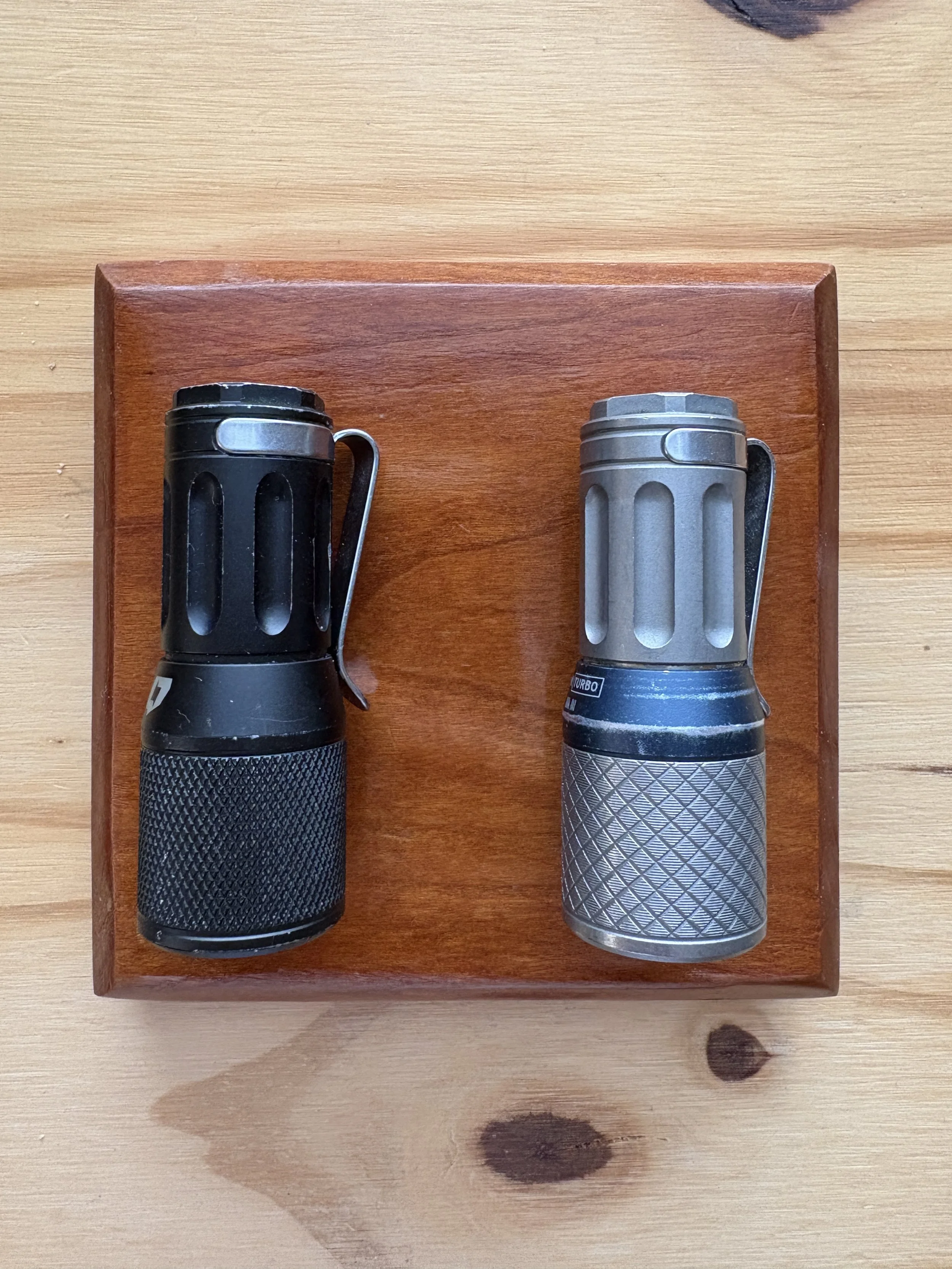
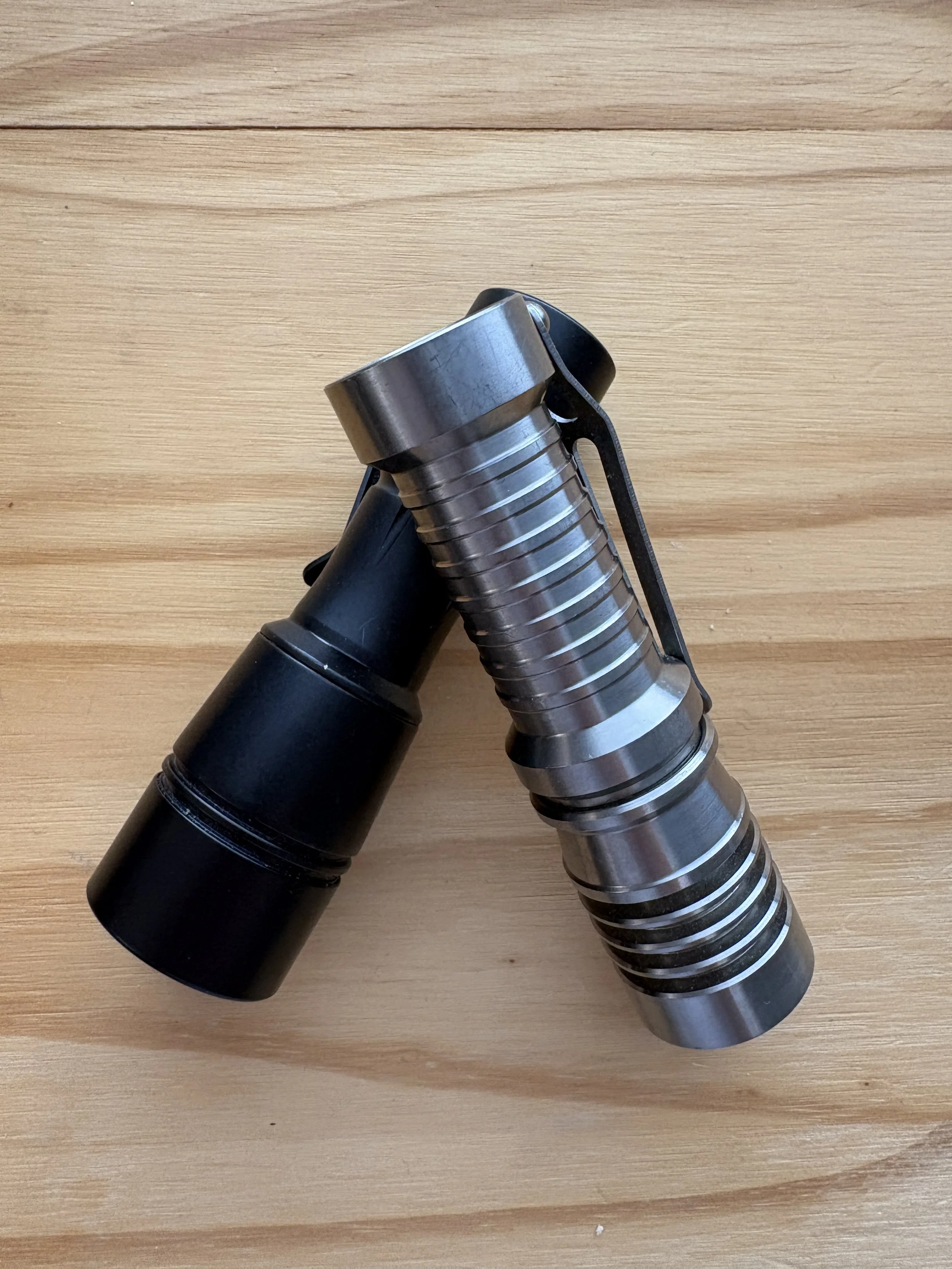
Aluminum is Better
Be prepared—this is about as nerdy a rabbit hole as I have fallen into in a long while. If you come here for content that would never work on a mainstream site because it is too niche, enjoy.
In an alternative timeline 1886 there is a house fire in France and America. Two men have their abodes rendered to ash and both take time off from their chemistry experiments to rebuild. Because of this neither discovers the process to remove aluminum from bauxite ore and world never sees the mass production of aluminum thanks to the Hall Heroult process. Aluminum, the lightest of the safe metals, is a curiosity, a rare treat for the ultra wealthy. No one would even think of making a flashlight out of the material. In this alternate reality there are posts on the Internet about all the benefits of aluminum—its easier and safer to machine, it conducts electricity better, almost as good as copper, its way lighter, it is smoother when used in gears and threaded components, and it basically erases heat. People speculate about how if it weren’t so rare and expensive it would be the perfect material for a flashlight, but alas, most aluminum is trapped in its bauxite prison, covering the Earth but perpetually inaccessible.
Its always what we don’t have, what is shinier, what is more expensive that we find alluring. The cheap and plentiful, even if clearly better, is less sought after. The reality is there is basically no way in which titanium is a better material for flashlights than aluminum, but we like shiny and titanium is shiny. It is really stupid, but that’s basically the logic behind the strong preference among enthusiasts for titanium flashlights.
Let’s look at the numbers:
Price: per unit weight, with market fluctuations, titanium is between five and seven times as expensive as aluminum, with periods where the cost rises to 10 times as expensive
Weight: with a density of 4.5 g/cm cubed versus 2.7 g/cm cubed, titanium is about 60-67% heavier. This difference is not as big as you might think because titanium has a higher strength to weight ratio so you can use less titanium to make something as strong as aluminum.
Heat Dissipation: aluminum is about 10-15 times more thermally conductive than titanium, making it vastly better at shedding heat, such as from an overclocked LED, than titanium.
Conductivity: aluminum is about 20-70 times better at conducting electricity than titanium (61% IACS vs. 3.1% IACS)(conductivity matters in flashlights because most lights complete the circuit from the battery using parts of the body tube).
It’s not all aluminum—titanium is more corrosion resistant and has a better strength to weight ratio, but these things don’t matter as much in flashlight construction. The circular tube shape of most flashlights means that whatever small advantage titanium has over aluminum is negated and surface treatments like anodization and coatings make the small advantage in corrosion resistance not a factor. In terms of flashlight builds, there is no real reason, other than the literal and metaphorical shiny, to choose titanium over aluminum.
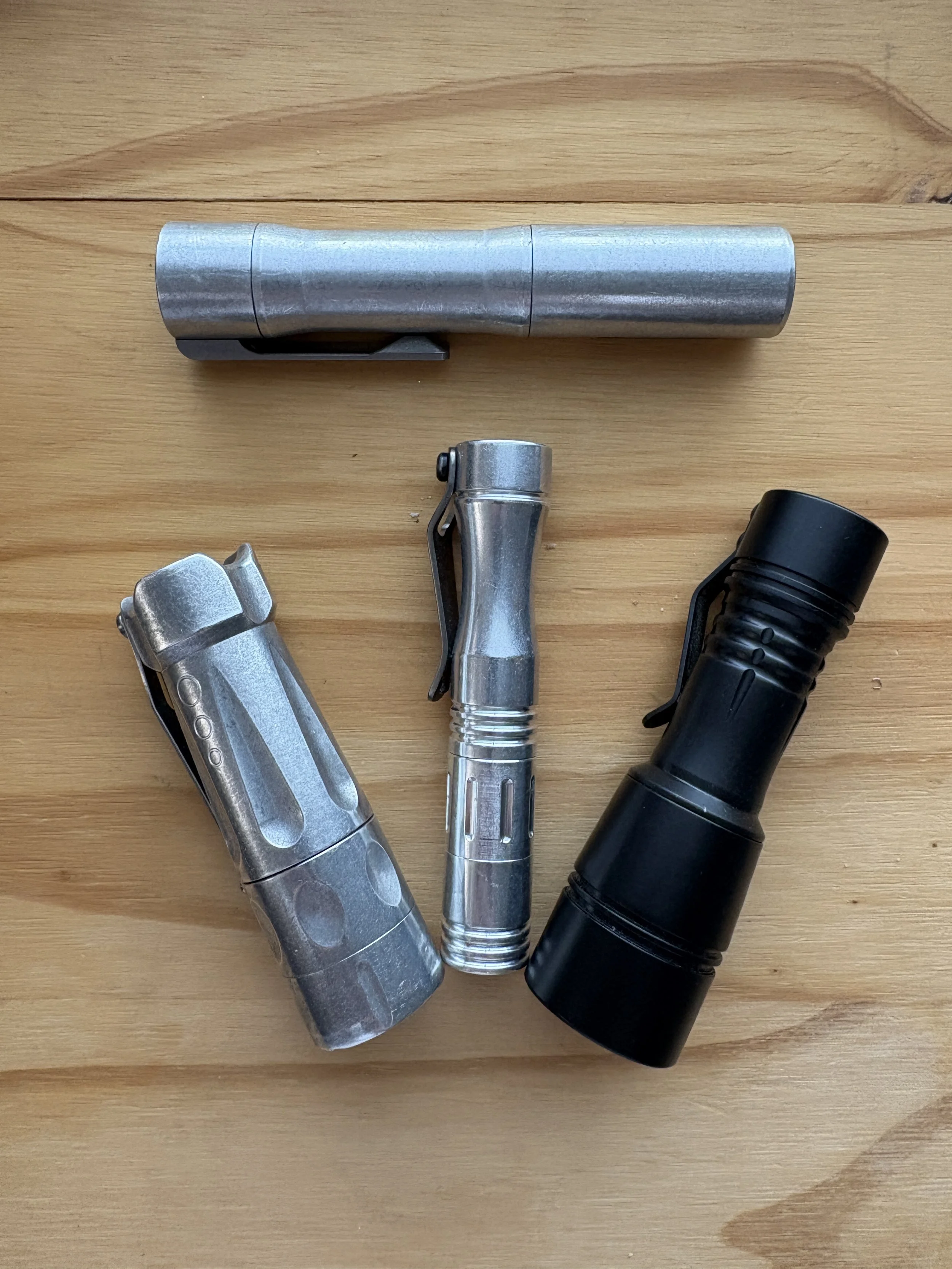
Knowing all of this I am always keen to snag a light, especially an expensive custom light, in aluminum. It is both the superior performer and the cheaper option thanks in large part to market stupidity. Here are a few true gems of the high end flashlight world ALL in aluminum (top row: Exceed Rampant, bottom row, L to R: BOSS 35, Dawson Machine Lau Lima clicky, and Kosen VME):
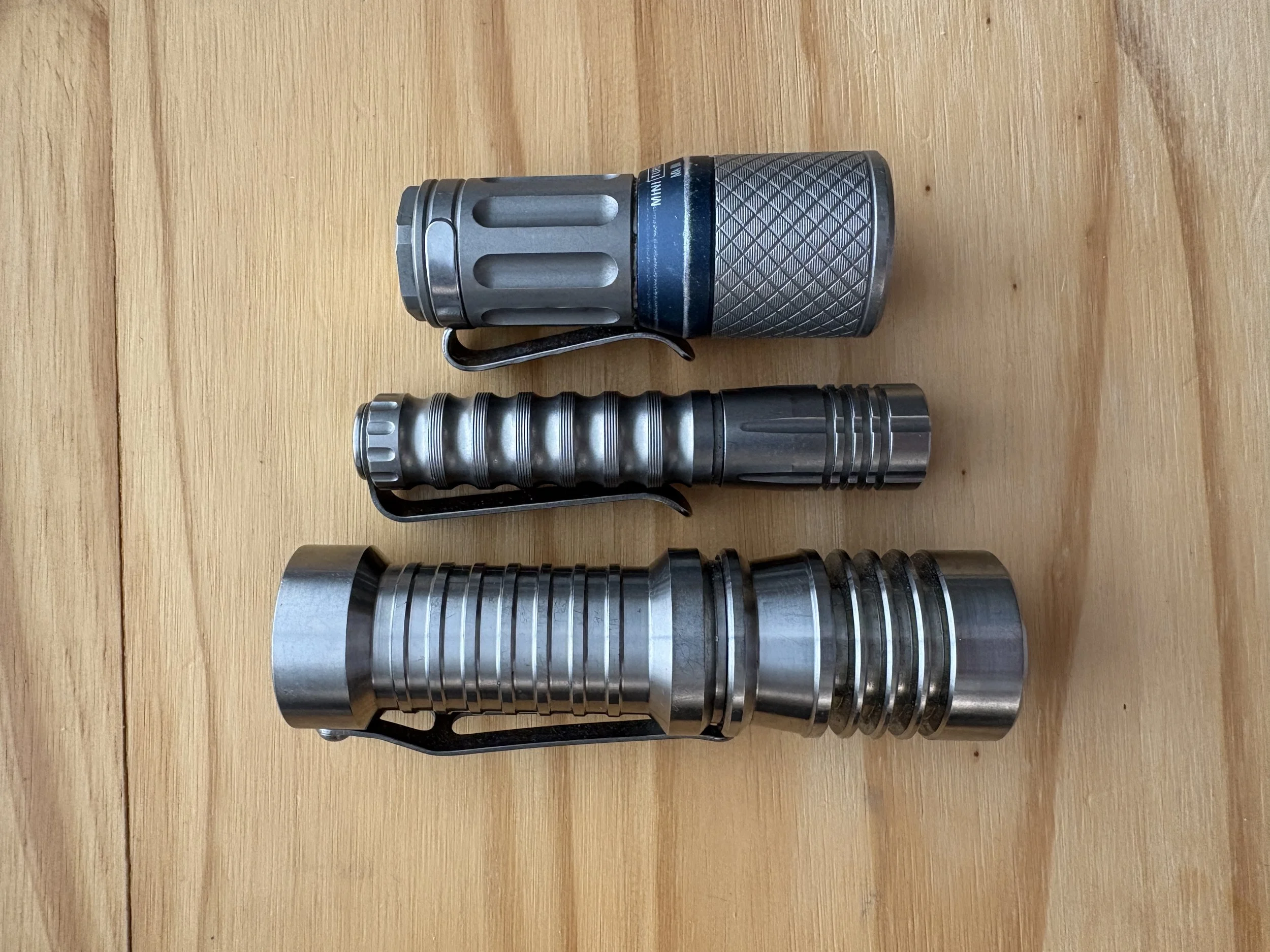
Of course not all high end lights are available in aluminum. The huge upcharge and high end reputation means that most makers just default to titanium. The McGizmo Haiku, for example, is only available in titanium and the other two lights, the Prometheus Lights Ti Beta QR and the 47s Mini Turbo Mark III, are high end versions of aluminum lights:
I have wanted a CWF Peanut for a while now, but I am not going to buy a titanium version of that light when there is an aluminum version that exists (though is rarely produced). It means two years later I still haven’t reviewed the Peanut, but on my high end lights, I try to never stoop down to titanium if I can avoid it. It sounds snobby, but it is 100% the right choice in terms of performance.
It is weird to write this but this is one place where audiophiles get it right—they cherish copper above all else because, despite its less than shiny appearance (though they do try on some cables), copper, not some more exotic material is the best for conducting electricity. When your hobby’s collective choices are less rational than those of audiophiles, your group (my group) has sunk to a new low in terms of stupidity. Simply put folks—we have to do better.
All of this titanium bashing might lead to two questions:
If conductivity matter so much, why not go with copper?
If titanium stinks, why use it in frame locks on knives?
The first question is easy to answer—while copper is a better conductor of electricity (100% IACS v. 61% IACS) it is significantly denser than aluminum (2.7 g/cm cubed vs. 8.96 g/cm cubed). I place an exceedingly high value on good carry and copper is worse than titanium in this respect. Aluminum is also about 75-80% cheaper than copper. Essentially copper is better than aluminum in one way that, while important, doesn’t overwhelm aluminum’s other virtues.
The second question’s answer is more nuanced. Aluminum, absent some exotic forms like those used on the frame locks found in Rockstead knives, is not strong enough to work well as a frame lock. In THAT APPLICATION titanium is clearly the better choice. But what makes a good knife handle and what makes a good flashlight body tube are two different things and so the material’s properties should differ to suit those two roles.
All of this is not to say that I haven’t been bitten by the titanium bug. Of course, I like when my light and frame lock match. Who doesn’t?
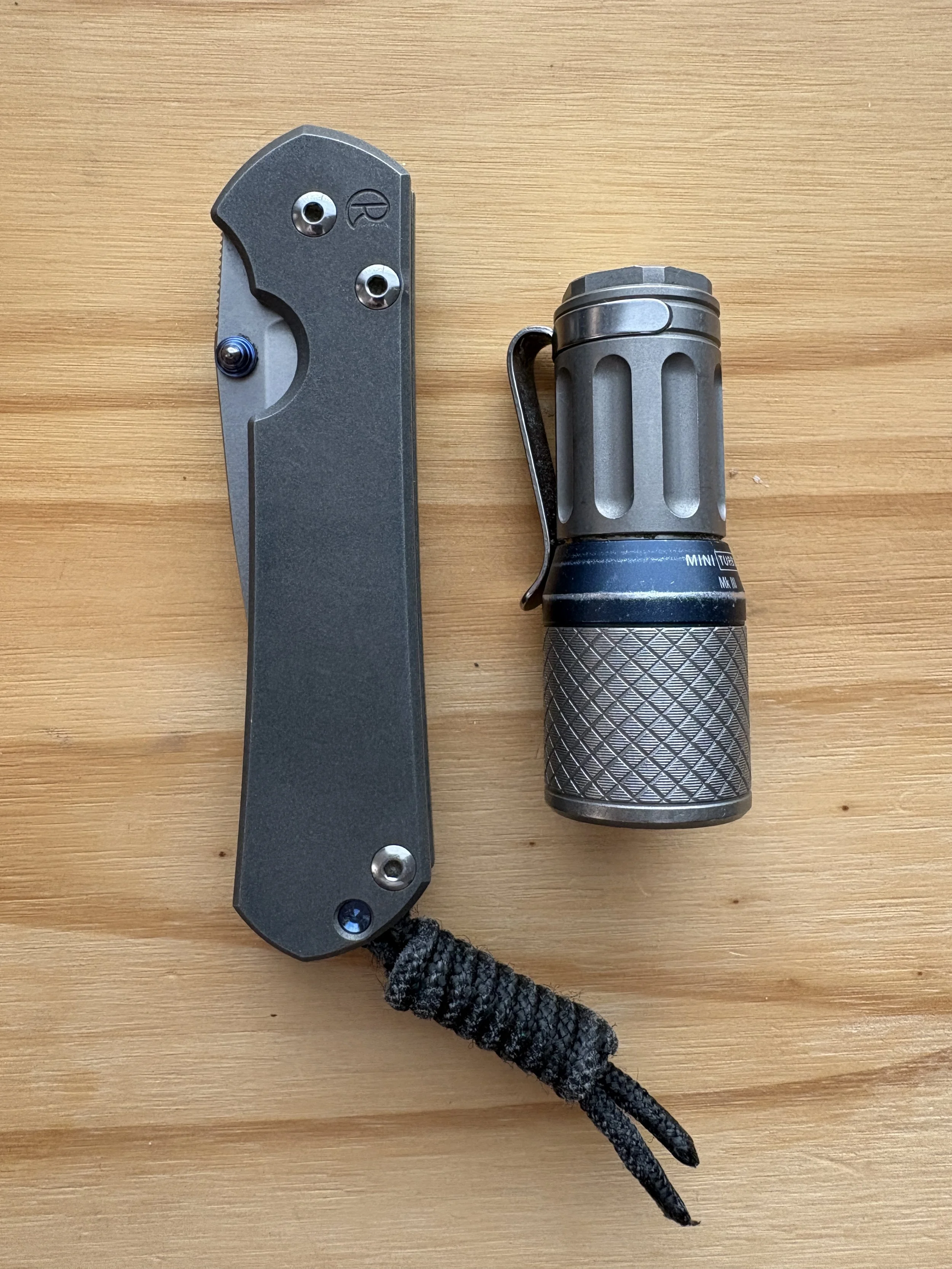
But the preference for titanium as the body tube material of choice in the flashlight hobby is not a rational one. Aluminum is better in almost all ways that matter. Yet, time and again, titanium is the material of choice in high end lights for no real reason other than shiny.
Another sign that this was a niche article? Not one Amazon affiliate link. Just to keep the website alive, here are a few favorites:
Amazon Links