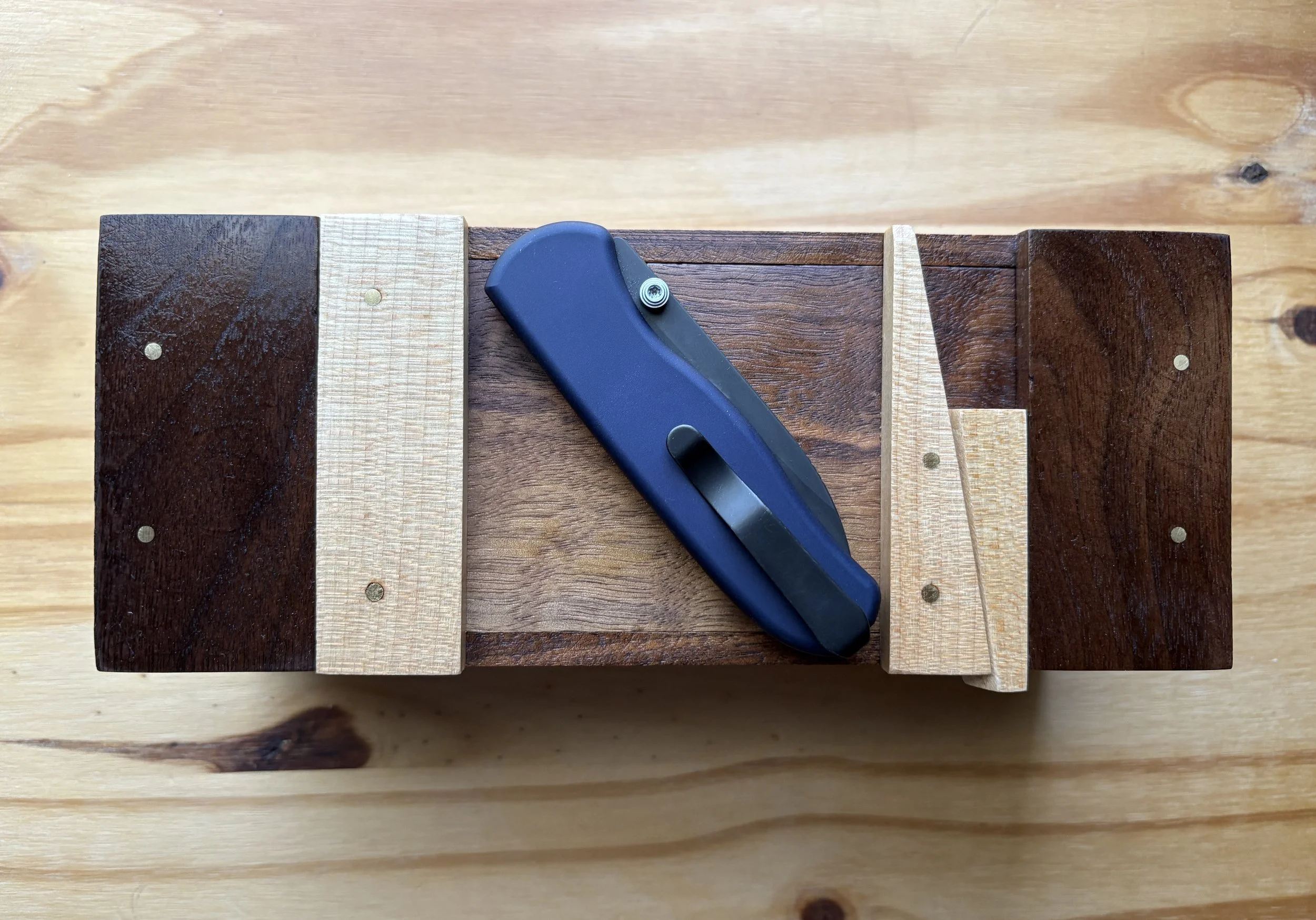
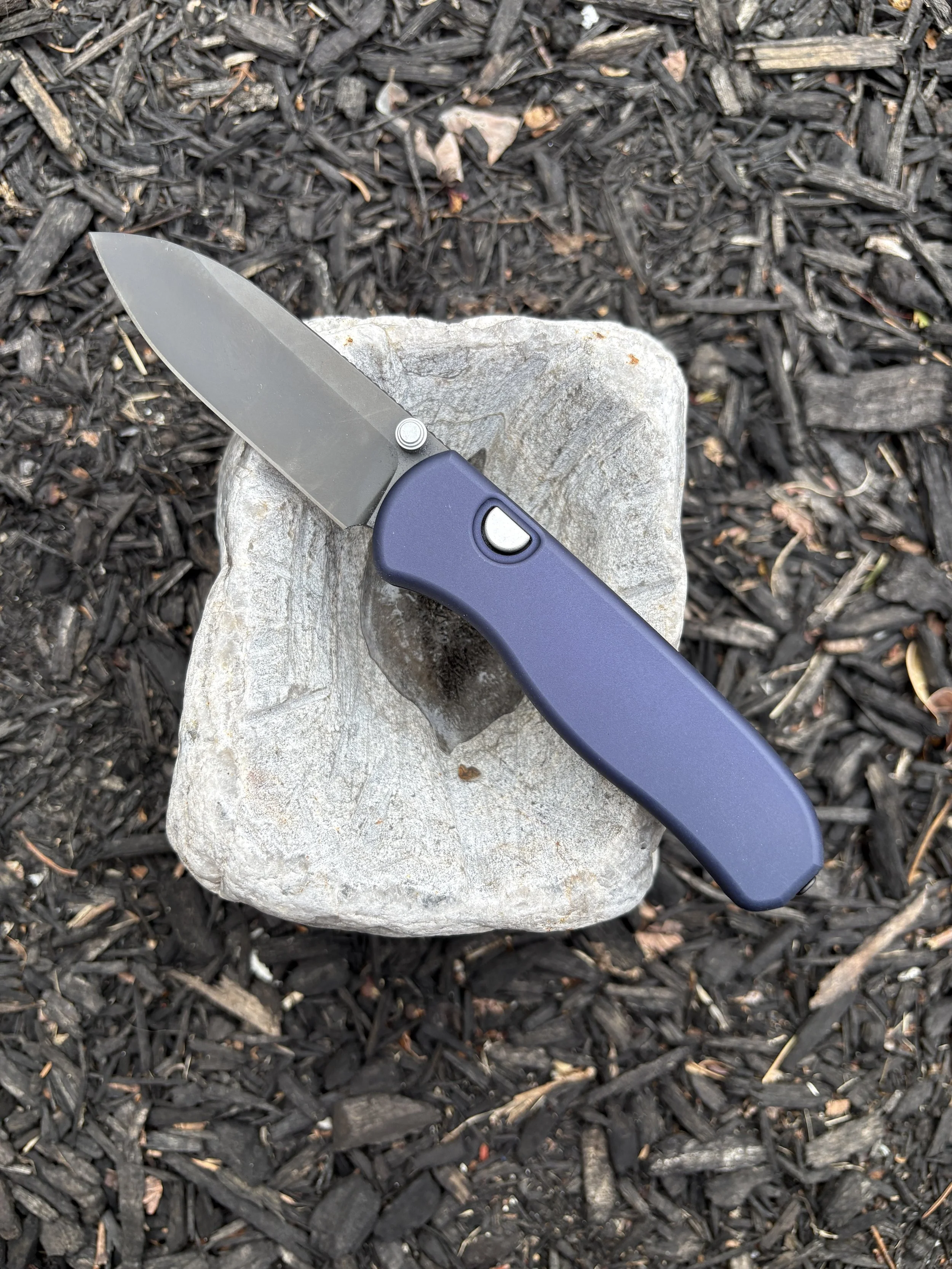
Kizer Bear Zero Review
Minimalism, as a design trend in knives, was an answer to the tacticool trend of the Aughts. Those gilled, curvy, half pound clunkers were terrible in the pocket and only slightly better at cutting. It is easy to see how, in response to that trend, we would get wave after wave of very sparse cutting tools with no extra doodads, gizmos, curves, cuts, or gills. And while I greatly prefer the easy minimalism to the goofy tacticool stuff, this trend too, is wearing a bit thin. The line between minimalist and boring is one that is crossed regularly in the current market. But the Kizer Bear Zero is, in my opinion, on the right side of that line. It is a splendid midsize knife—a great EDC and a nice one and done blade. It has one puzzling flaw, which, surprisingly, had a large impact on the knife, but it is, overall, quite compelling. This is the most competitive part of the market so any flaw tends to have outsized impacts on where it ranks in the list of recommendations, but this is a knife that warrants a close look.
TDLR: Best Kizer Ever. With a profoundly bad clip.
Design: 2
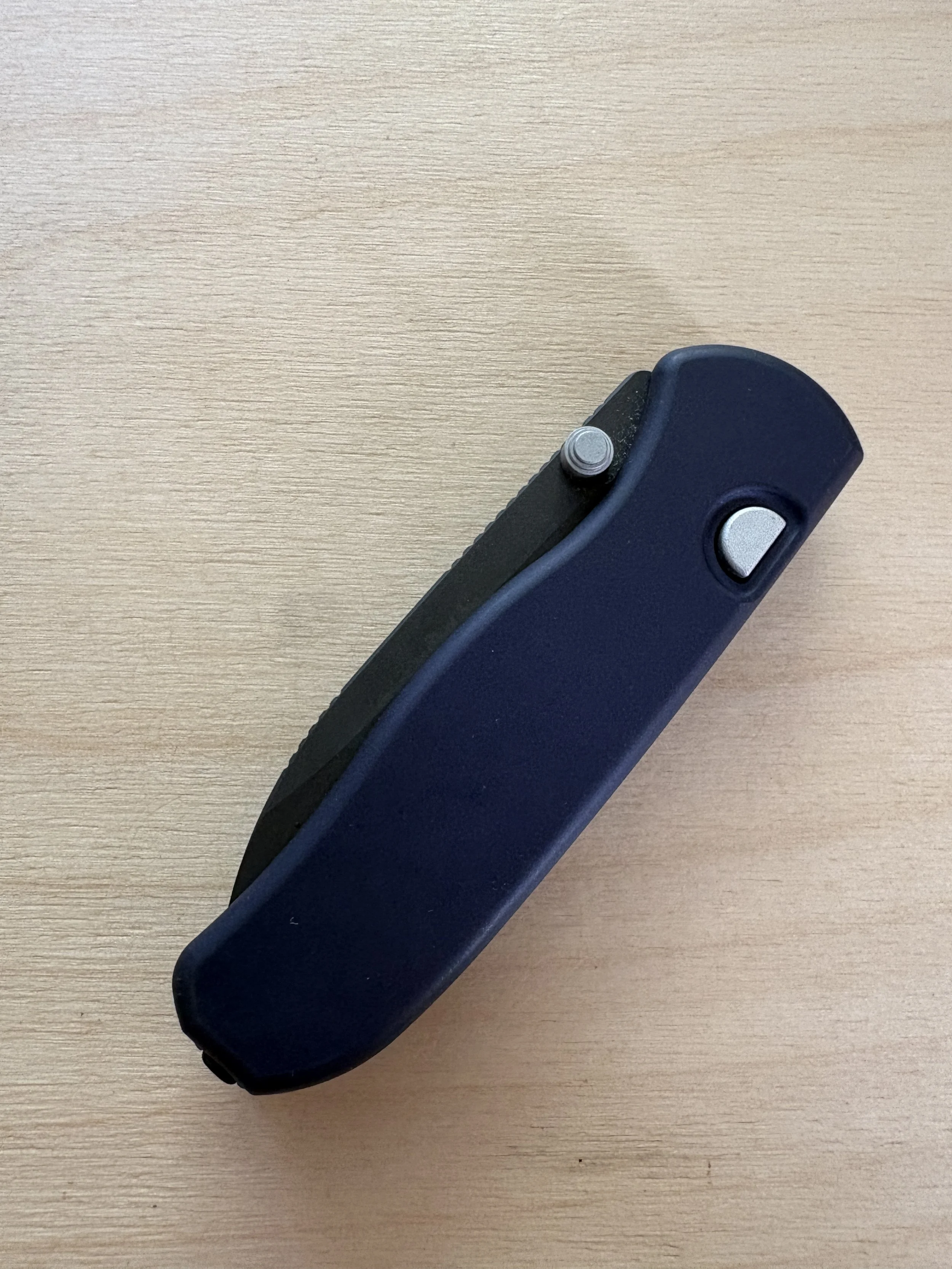
I love the look of the Bear Zero. It’s not just clean—it’s purposeful. When you look at Festool tools you notice the green and black color scheme, but after you use them you know this isn’t just for purposes of being sorted into your Tool Brand Harry Potter House. Everything that moves, starts something, or has a functional role in the tool is colored green. The Bear Zero’s visual appearance communicates its functionality instantly. And that is a powerfully good thing to couple with a tool as clean as this one is. There is a screw on the handle, but it is under the clip. Other than that, it’s just the one, brightly colored functional element. Love it. Minimalism with a purpose.
Fit and Finish: 2
When you make production knives now, the minimum threshold is perfect. No blade wiggle, no slow deployment, no funny loose clip. And, of course, the Bear Zero does all of that. But here there is an added degree of difficulty—no visible hardware. Even with that penalty the Bear Zero is still manages to stick the landing. Yep, this is where we are.
Grip: 2
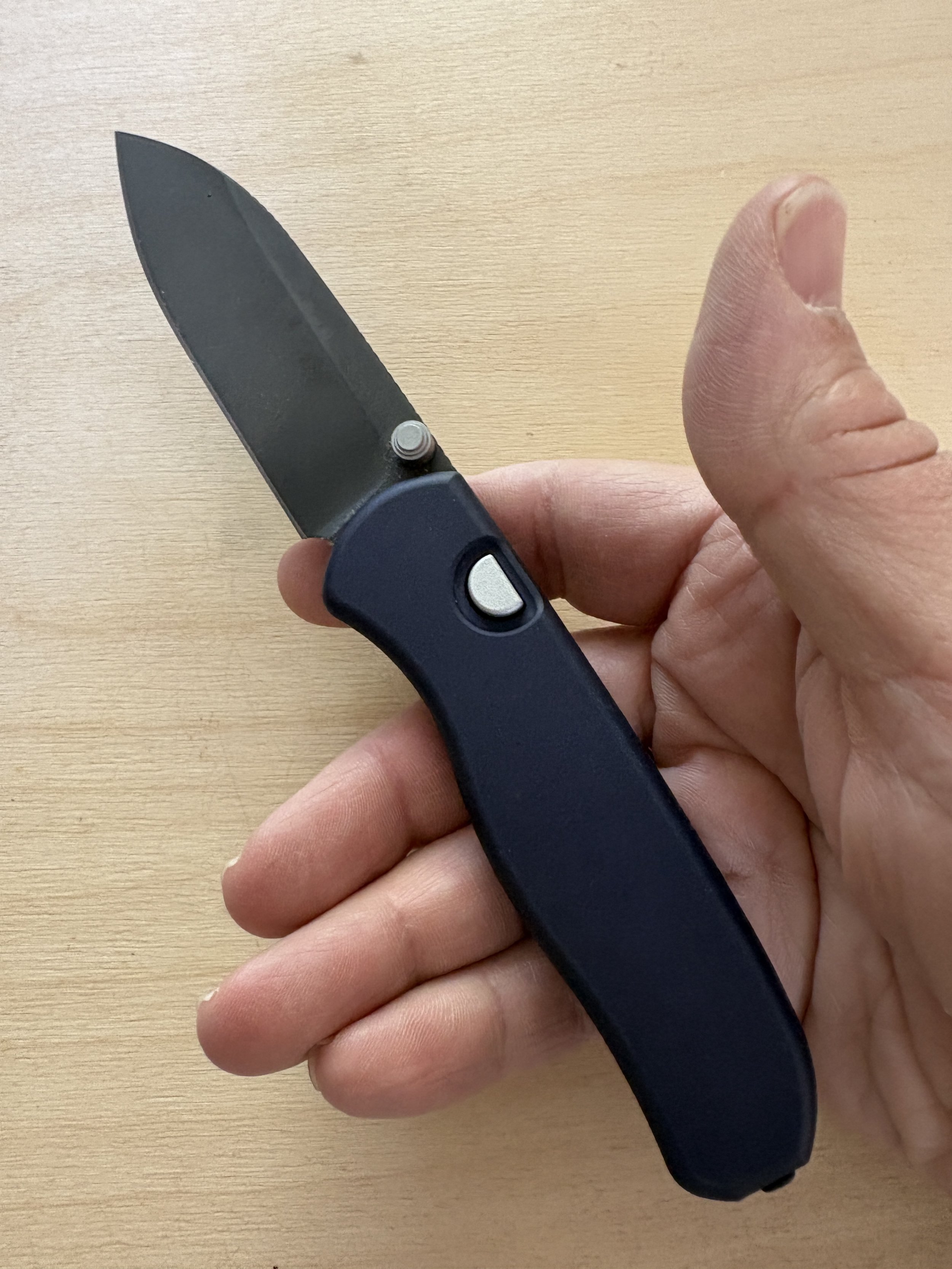
You’d expect a knife with almost no grip enhancements, visible hardware, and buttered edges like this to be a wet bar of soap in the hand, but the texture on the handle, in addition to being surprisingly durable, is actually a perfect level of grip for in hand use. It might be a little too much for the clip, but more on that later.
Carry: 2
With a smooth, thin-ish handle and a nice weight, the Bear Zero is good in the pocket. Even the exposed rear tang on the original is gone, making this a virtually perfect knife in the pocket. The clip, however, is a problem…
Steel: 1
M390 steel, as I mentioned in my article resetting the steel score, is not just good not special. Its everywhere. In fact, it is probably harder to find a steel in AUS8 on a new knife than one in M390. And M390 is still quite good in use, but it is no longer worth paying a premium for, hence the M390 score of 1.
Blade Shape: 2
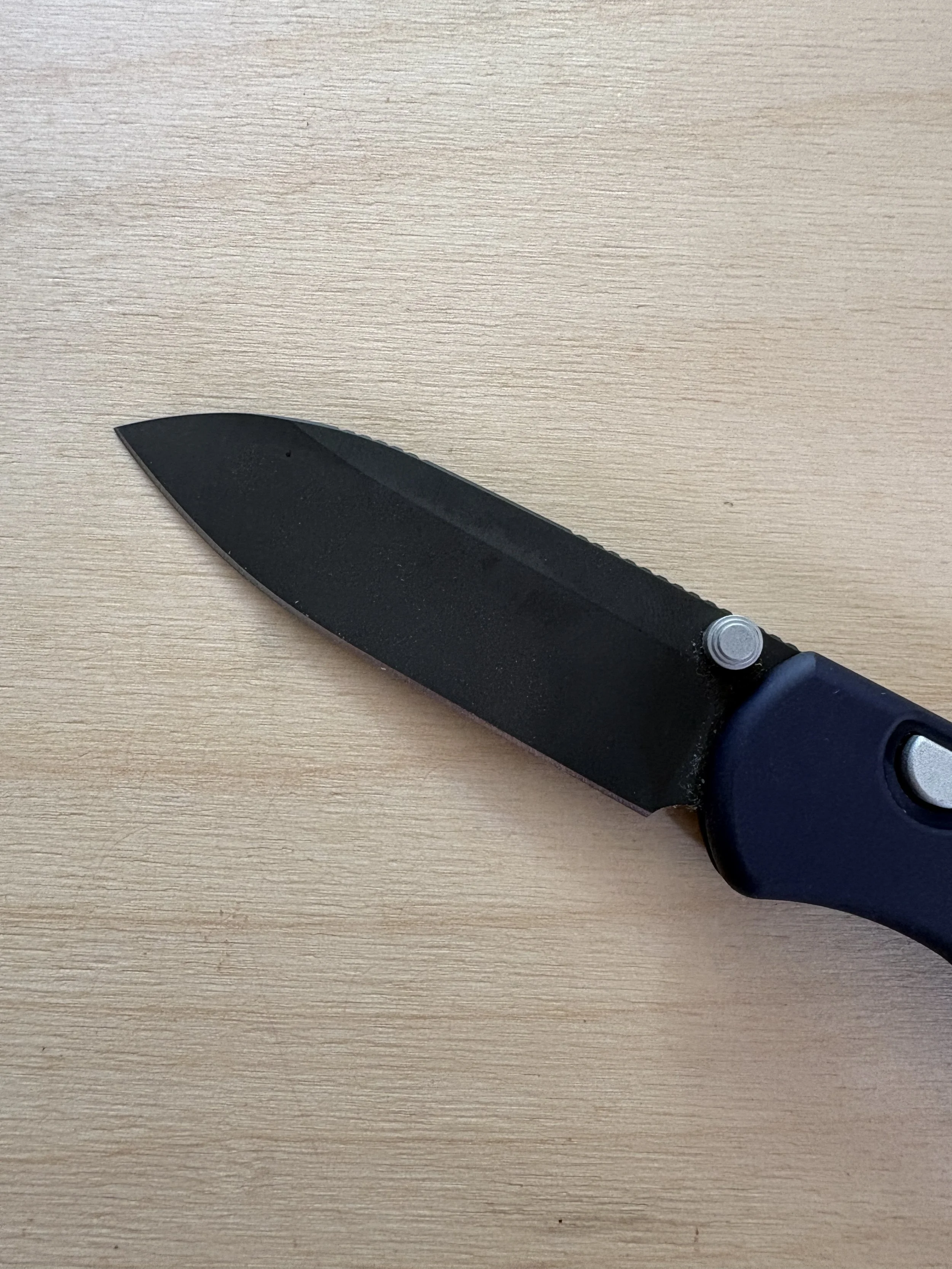
I love drop points and this is an extreme drop point where the tip is significantly below the centerline of the blade. It’s not my favorite look, but it does cut quite well. It also gives you a tip that is quite predictable in the hand. You know exactly where it is going to be and you can guide it with a finger on the spine with GREAT precision. It may look like a “sadder” drop point than most, but its very functional.
Blade Grind: 2
The key to knife blade geometry is simple-start with thin stock, grind it thinner, and make the grind consistent. Here the Bear Zero is exactly that—thin and even. The blade coating here is 100% unnecessary given M390’s very stainless status, but it is surprisingly durable. Often the coatings on steel just get ugly, but this one has no such problem. Its a blade coating that doesn’t penalize the blade grind and so it is worth mentioning here.
Deployment: 2
With a good pivot and a liner lock (that has a very small contact point with the blade in the form of a detent ball) and a nice thumb stud, the Bear Zero is an excellent knife during deployment. I love the feel here, it’s kinetic and snappy. If there is any reason to like a liner lock over, say, a sliding bar lock, its just how crisp the deployment is.
Retention Method: 0
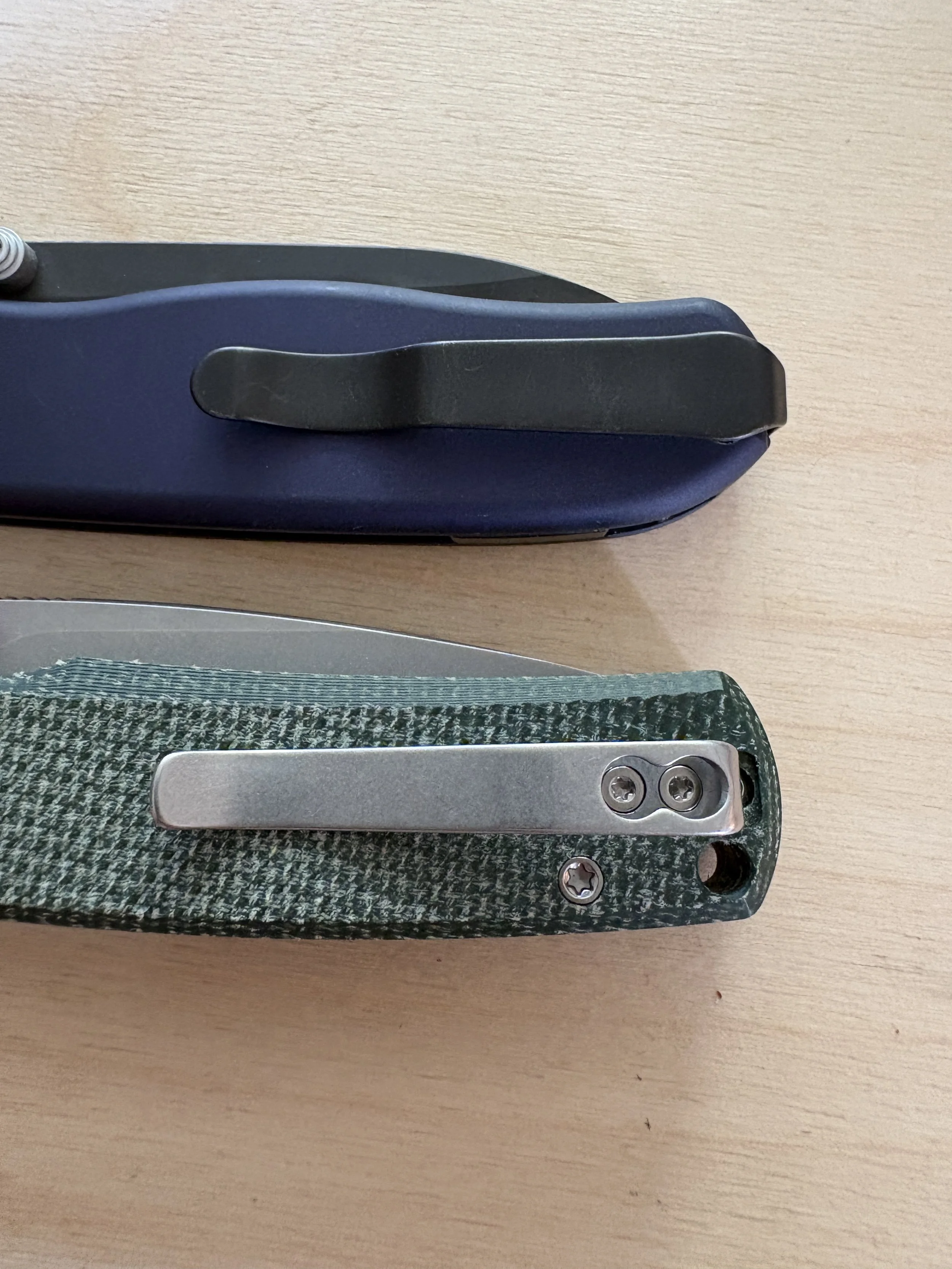
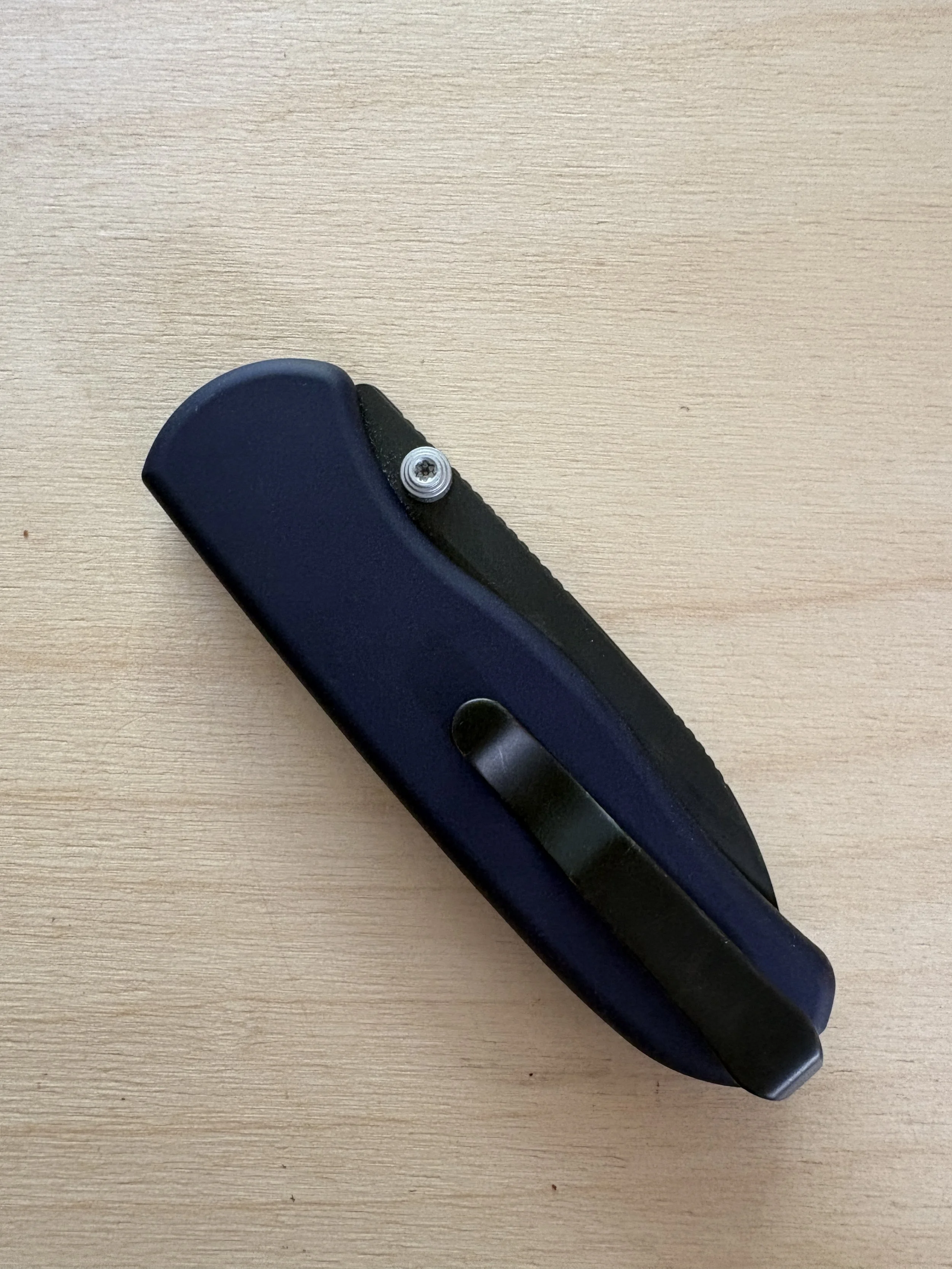
The Bear Zero is a good example of how “carry” and “retention method” differ. This knife carries like a dream for the reasons mentioned above, but trying to extract from your pocket is more difficult than a public works project in a major US city. Part of it is the clip being a little too tight. Another part is the surface treatment of the handle which adds grip in hand but also makes for a lot of friction. Finally, there is the weird “hourglass” shape to the clip.
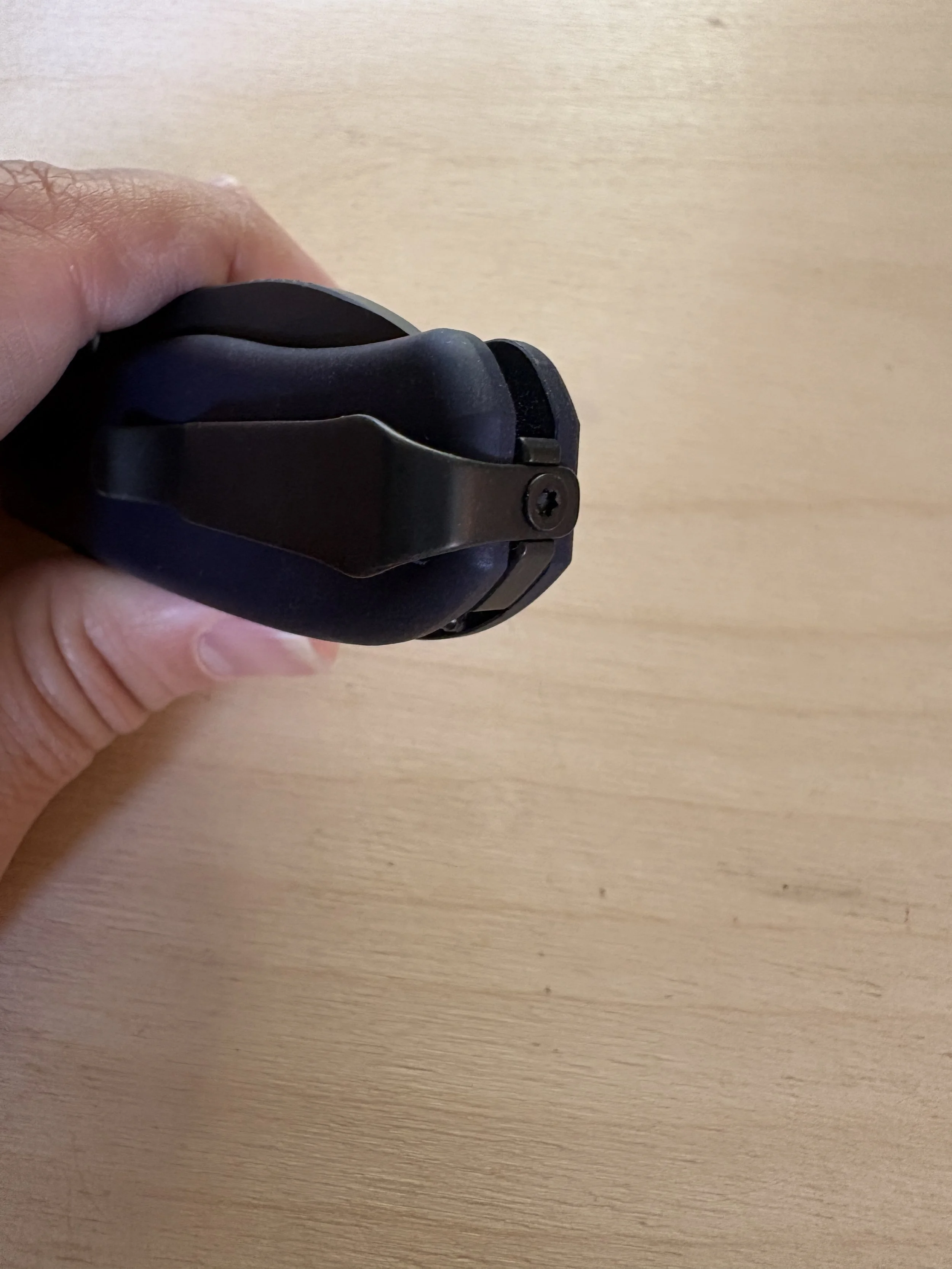
By narrowing its profile near the screw that holds it into place, the clip just bunches and snags on the fabric of your pocket. This is truly one of the worst clips I have ever seen and while it does not pose a safety risk, it is a serious blemish on an otherwise stellar knife. Kizer, please redesign this clip. It’s really terrible. And, unlike with a lot of flaws in a knife’s design, this one is easy to correct.
Lock/Blade Safety: 2
The top liner lock or button release liner lock is perhaps the best innovation in knife locks in years. Keep your extra beefy, holds-a-barbell-plate lock designs. No one actually needs that much added strength while at the same time has no access to a fixed blade. Instead, lock innovation that matters is like this lock—it makes the lock easier to use and more functional, not necessarily stronger. And of all the button release liner locks I have used the Bear Zero is the best. And it comes down to the cool button itself. It invites your finger and has a perfect amount of tension for nice, feedback snap. Its great.
Other Considerations
Fidget Factor: Very High
Button release liner lock and good deployment makes the Bear Zero a feast for the fingers.
Fett Effect: Very Low
None of the blade coating or handle surface treatment show any wear, which is remarkable given my prior history with other coatings.
Value: Moderate
Its not a screamer, but it is not silly pricey either
Overall Score: 17 out of 20
If you have a runner in your life you have probably seen one of these videos—an athlete is just a few steps from the finish line, they celebrate prematurely and the second place person zooms ahead at the the last minute. That is the Bear Zero thanks to the truly terrible clip. Everything else about the knife is delightful—the look, the grind, the lock. It’s all great. Then you go to pull the knife out of your pocket and you nearly rip your pants apart. This is a good enough knife that a secondary market solution should exist and if it does, get it and the Bear Zero at the same time.
This is, perhaps, an even bigger cliptastrophe than the lovely Spyderco Brouwer. Alas, clips are the place where most of the knife industry’s unforced errors happen. We can all just pause in a moment of silence for the Spyderco Drunken—a uniquely terrible knife with the worst clip ever made. This knife’s clip isn’t that bad, but in some ways the Bear Zero is even more painful. A better clip would have made the Drunken better, but merely by raising it from “design atrocity” to “design failure.” Here, we have a knife on the verge of greatness, sideswiped at the finish line by a feature that doesn’t really need much thought to make it good.
Competition
This spot in the market—sub $200 knives with around 3” blades is not just the Goldilocks zone for most people interested in knives, it is, because of that popularity, one of the most competitive parts of the market. Four of the very best knives currently available are all in this space—the Hogue Deka, the Spyderco Sage 6, the TRM N2, and the Kershaw Bel Air. Finding the best knife among these four is tough, especially when you consider the base Sage 6 “only” comes in S30V. In this very, very tight spot in the market, the Bear Zero isn’t a standout. Is it as good or better than the Hogue Deka? Is it better than the Spyderco Sage 6? What about the TRM N2? Does it stack up to the Kershaw Bel Air? Not quite. But just because a car doesn’t hang with Pagani, Koeniggsegg, and Bugatti doesn’t mean it is trash.
That is rarified air for sure and while the Bear Zero doesn’t look awful in that group it is the low person on the totem pole of recommendability. In the next tier down, for knives like the Benchmade Bugout or any of a handful of ZTs, Protechs, and other knives, it does quite well. It is, without question, the very best Kizer I have ever had. A lot of them were good on a technical level, but none have the focused design that the Bear Zero does. This is a singleminded statement piece. I like it better than the Malibu, the Bugout, the ZT 0545, and the Spyderco Delica, Native 5, or Shaman. Sitting at the top of A Tier in terms of Recommendations isn’t a bad spot at all.
Amazon Links