To Oil or not to Oil
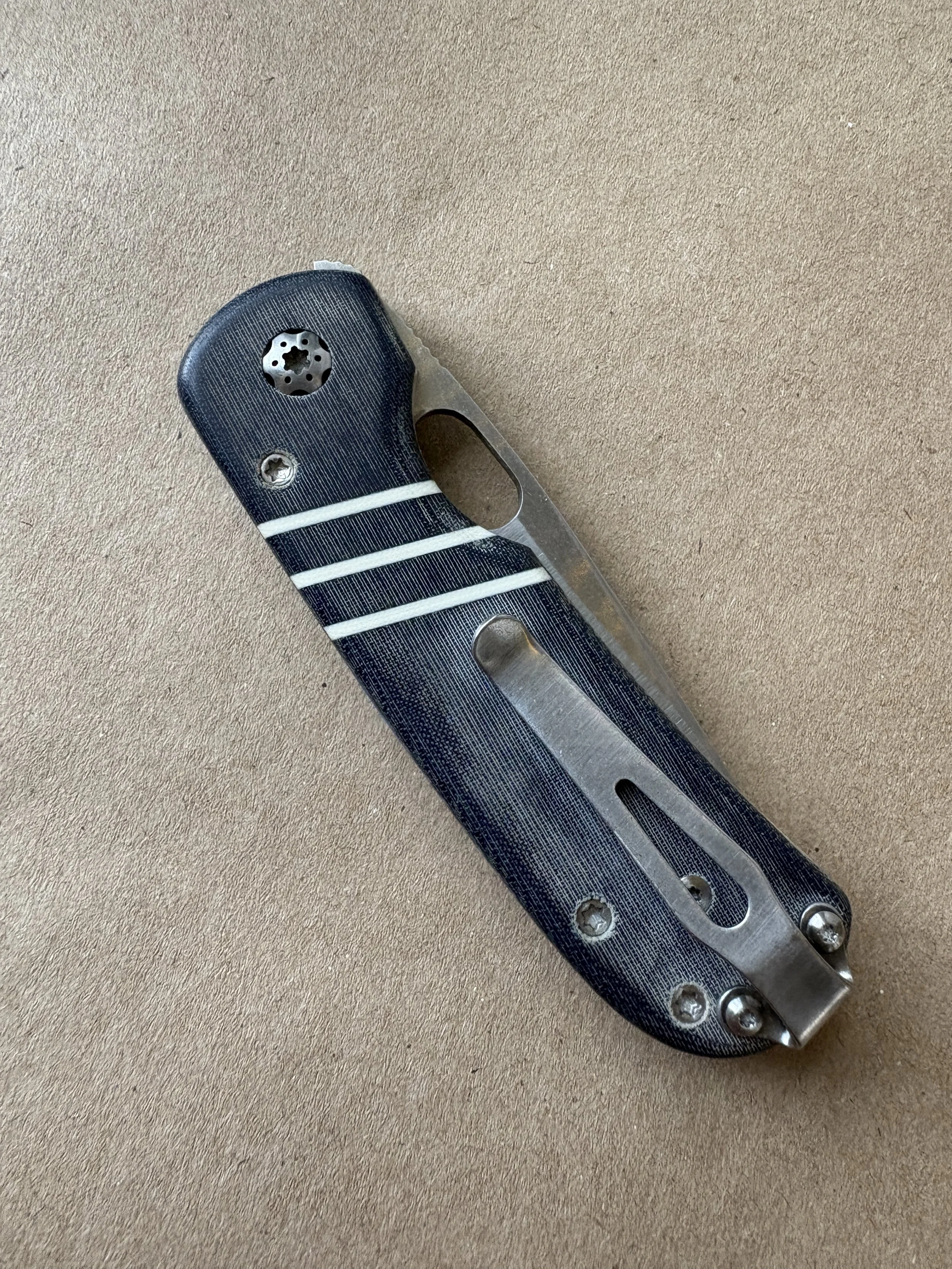
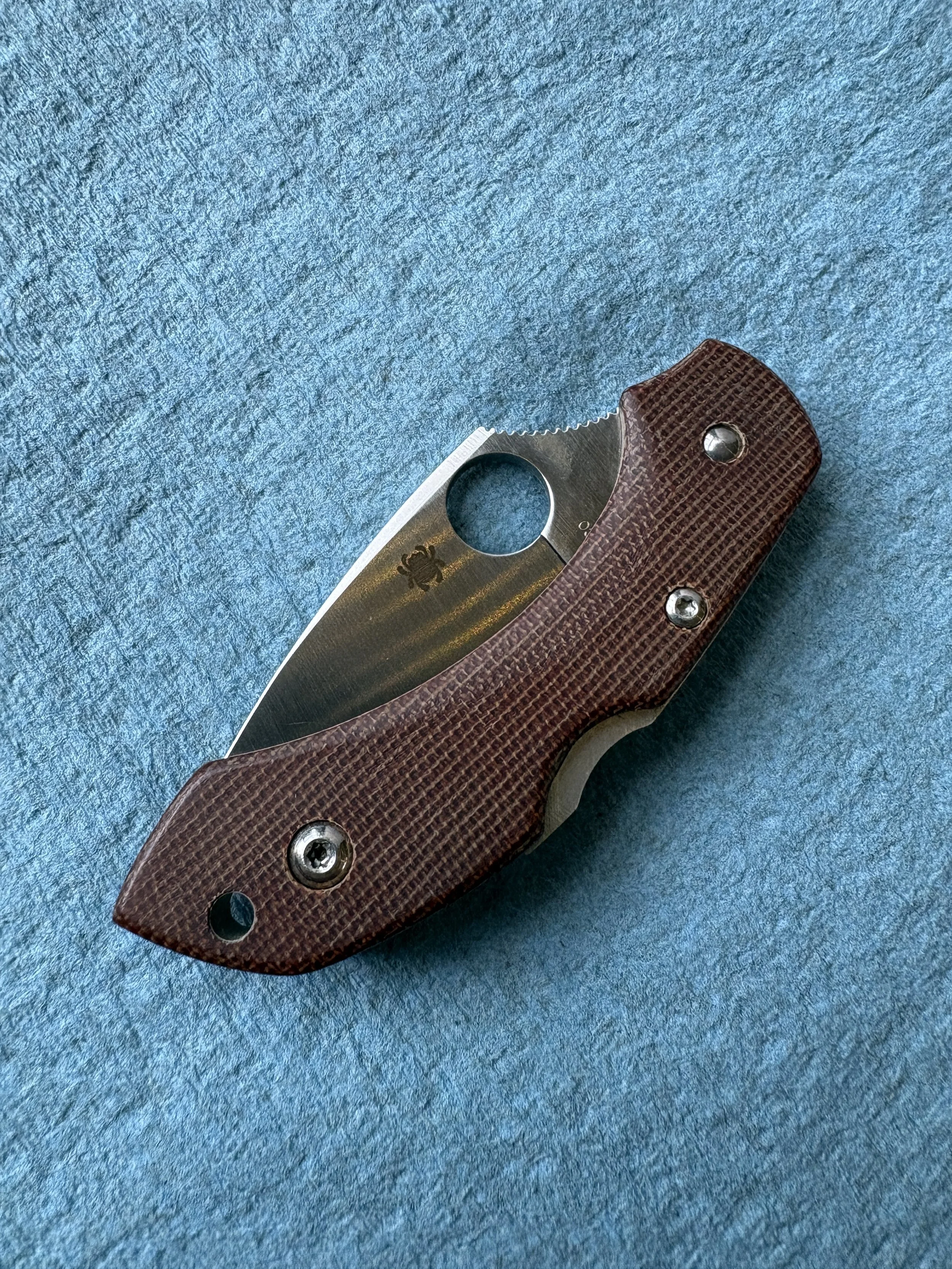
For me, it is not really a question. After years of owning and using knives with micarta handles, I have long since made oiling the scales a part of my new knife ownership ritual. Unbox, lubricate, flip flip flip flip, and oil scales. The funny thing is there is not much on this topic on the web, so I thought I would go through it and give out a recipe for my own handle oiling compound. The above knife is my original Spyderco Dragonfly in ZDP-189 that started the website, now decked out with beautifully oiled tan micarta handles.
What
Micarta was invented by George Westinghouse in and around 1910. It is a registered trademark of Industrial Laminates/Norplex, but lots of companies make similar materials and they are generically referred to as micarta. The idea behind micarta is simple—you take a resin, usually a phenolic resin, and you embed a substrate into it. We mostly hear about canvas, paper, or linen, but in industrial applications cork, fiberglass, and carbon fiber are also used. The process used to make micarta is called thermosetting. Through the use of high pressure and high heat, the resin permeates and bonds with the substrate resulting in a hard, rigid, but relatively easily shapeable material. While we love micarta on knife handles, its main application is as a rigid electrical insulator. Its combination of rigidity, shapeability, large range of color options, and grip make it an ideal material for knife handles.
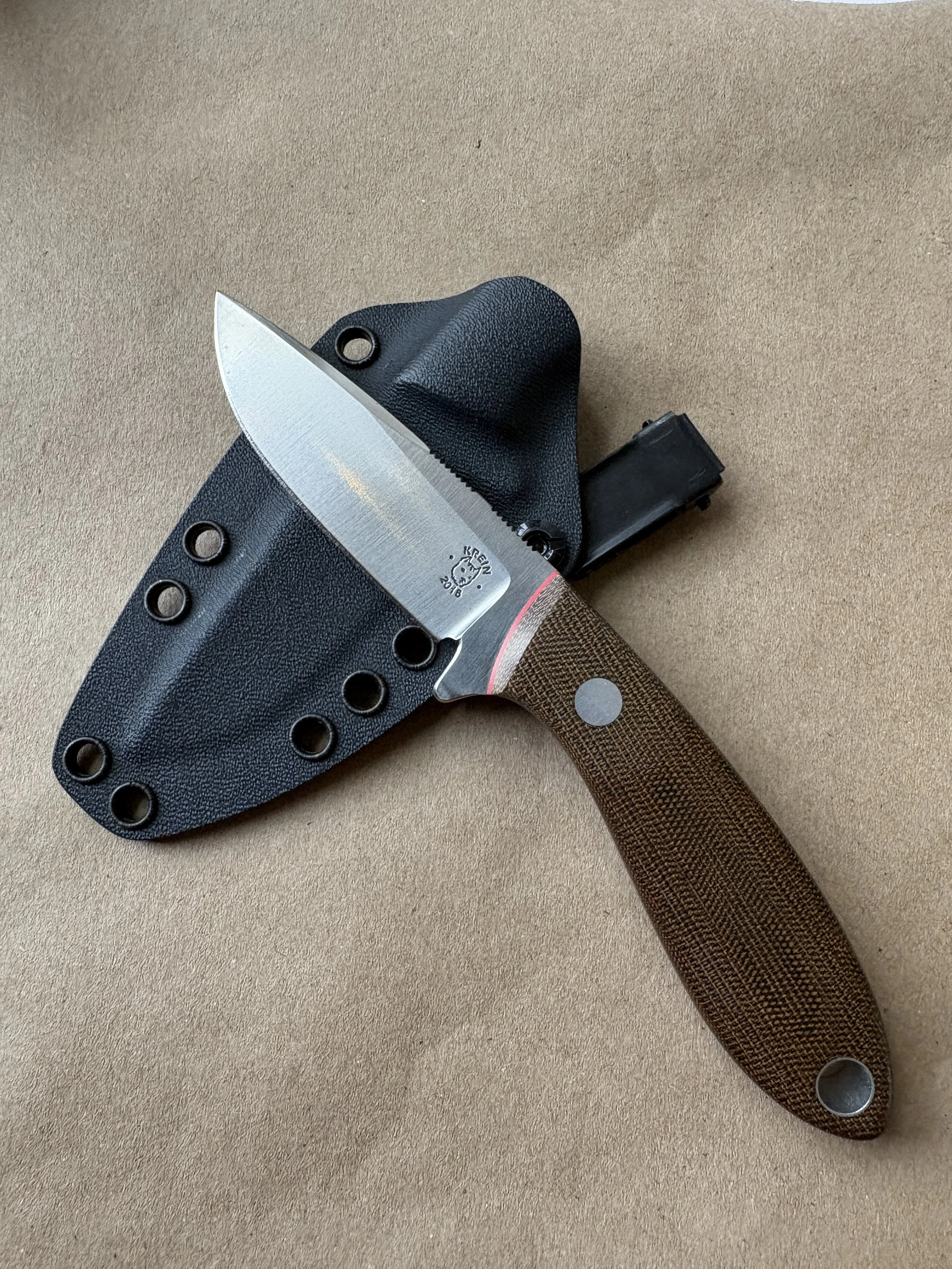
Lots of makers and production companies use micarta on handles. It is especially popular on fixed blade knives thanks to the profound influence Bob Loveless had on knife tastes. His preferred combination of green micarta handles and red felt liners on his drop point hunter set the tastes of knife connoisseurs for more than half a century, as he released his first DPHs in green micarta in the early 1970s (yes, the early 1970s were a half century ago). Here is my preoiled Tom Krein TK3 Whitetail in the Loveless set up—green micarta with red felt liners (note that the finish on these handles is exquisite):
My guess is that Loveless switched not just for aesthetic reasons, but in order to keep up with demand and still have a sizable profit margin. At the time, many of the natural materials used in knife handles, like desert ironwood or India stag horn, were becoming harder to get, more expensive, and legally protected. India horn was especially challenging, as the deer it comes from, the Sambar Deer of India, saw rapidly declining populations in the 1970s. Less deer, less horns, more cost for Bob and other makers. Most of his early DPH handles were stag, but by the 1970s micarta took over.
Why
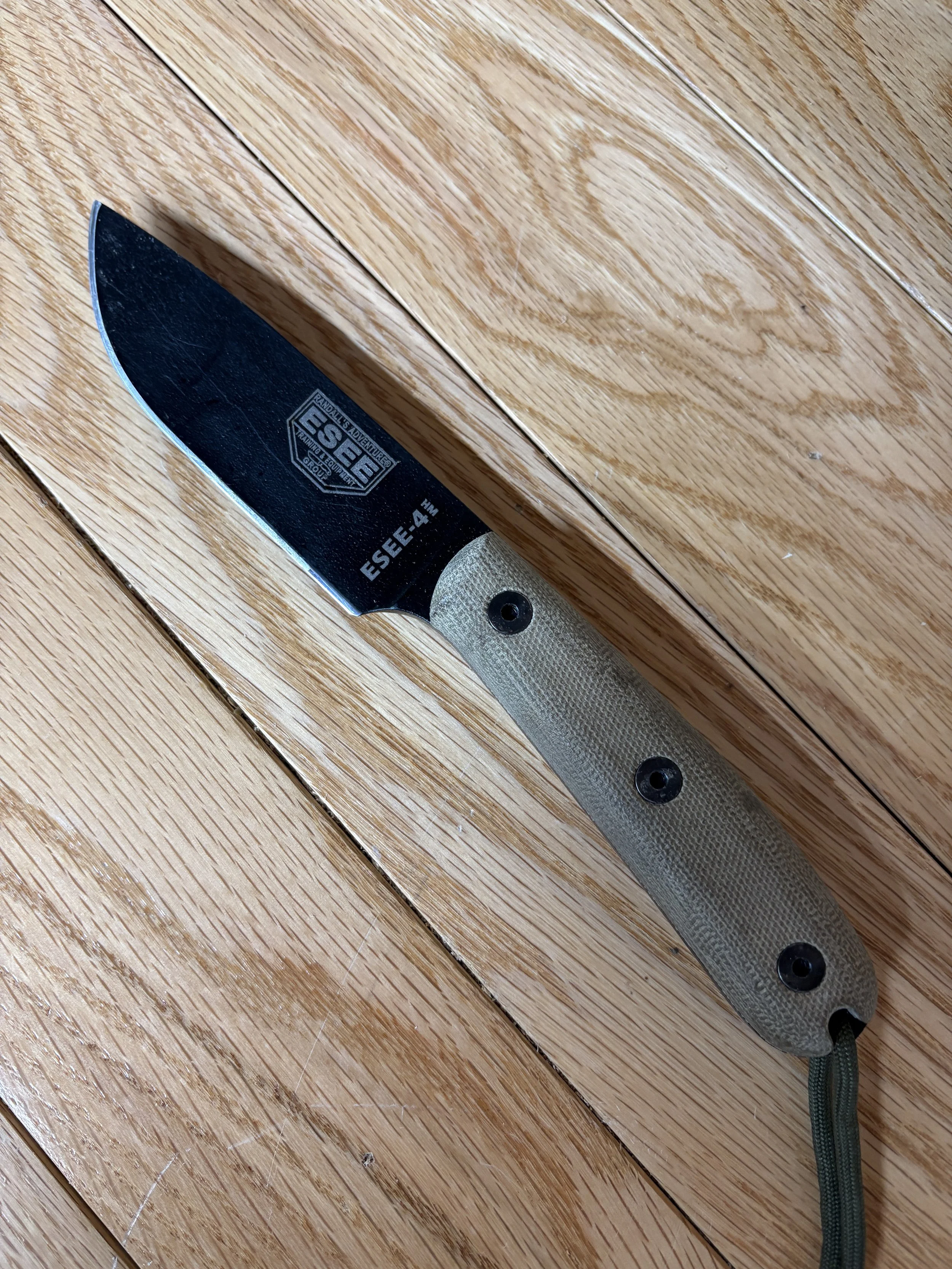
You don’t NEED to oil your micarta handles if you don’t want to. Lots and lots of them come preoiled. But most of them, especially of the canvas variety, don’t. Unoiled canvas micarta is very chalky, almost like the surface of a new Sebenza. It provides grip and it is completely free of patina. But unoiled canvas micarta almost instantly starts the wear process. The wear process consists mostly of transfer of oils from you hand to the knife. You can, of course, clean the micarta with a small dab of soap and water on a toothbrush or the like, but the oil transfer process is constant. The other problem with this process is that is uneven. Certain parts of the knife handle are touched more often than others and those parts look oily first. The result is a blotchy darkening over time. The final problem is that the oils on your hands are actually pretty dirty and so the micarta tends to look a little greasy. You can see both the blotchy and greasy handles on my ESEE 4HM, a knife I purchased before I started oiling my micarta handle scales (this just happens to be one of the very best knives in the world, BTW):
Finally, when the micarta is new it is actually quite fuzzy. While that doesn’t do much for grip, it does make pocket carry a bit awkward. Like flannel bedsheets and flannel pajamas, the fuzzy micarta handles tend to stick to the fabric in your pocket, especially if you carry the knife some place other than the coin pocket. Some claim that unoiled micarta is more prone to damage, but I think this is untrue. Instead, the purposely oiled micarta is less like to SHOW damage as the oil has saturated more deeply into the material. This makes superficial scratches less likely to reveal unoiled micarta.
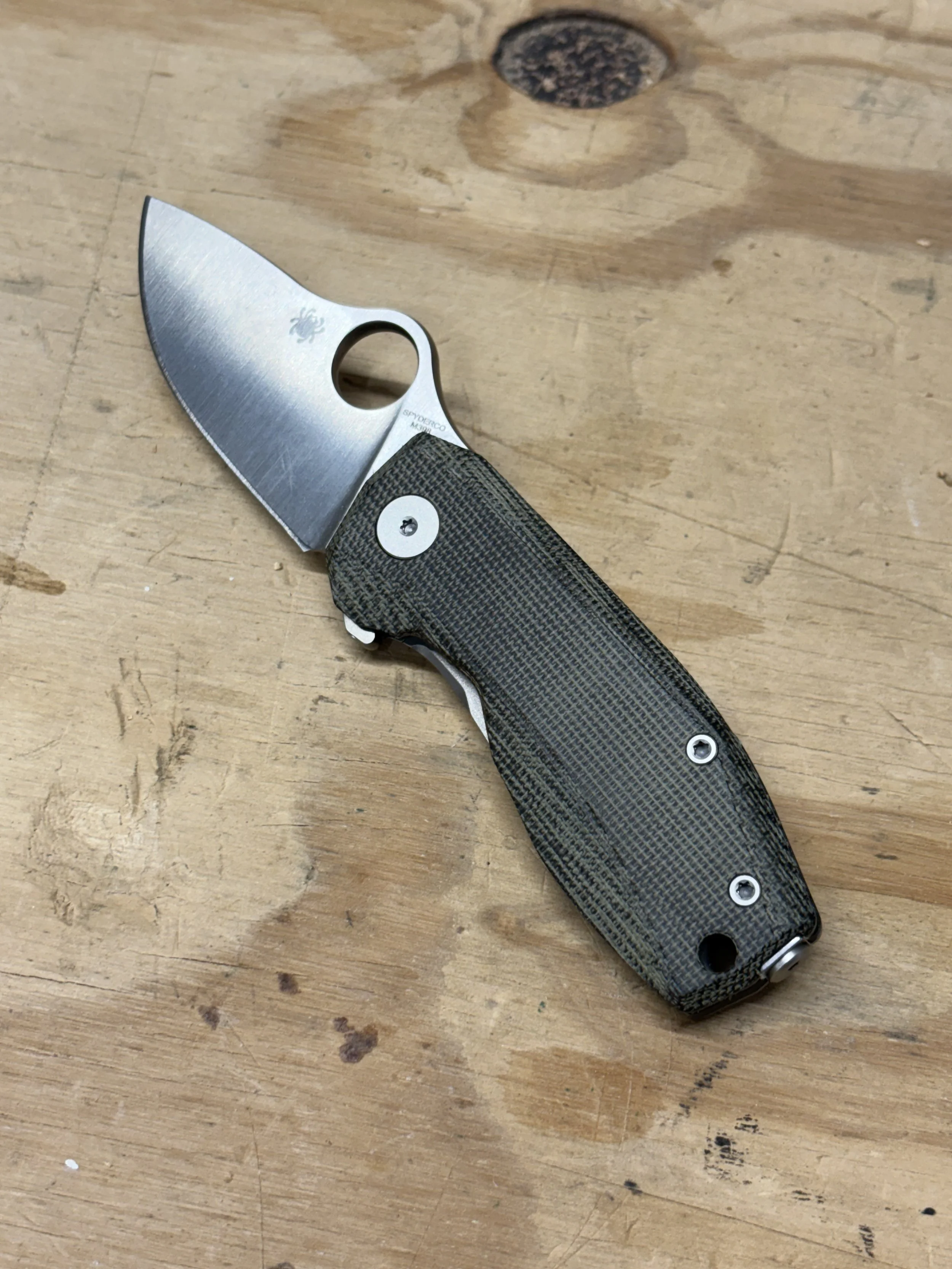
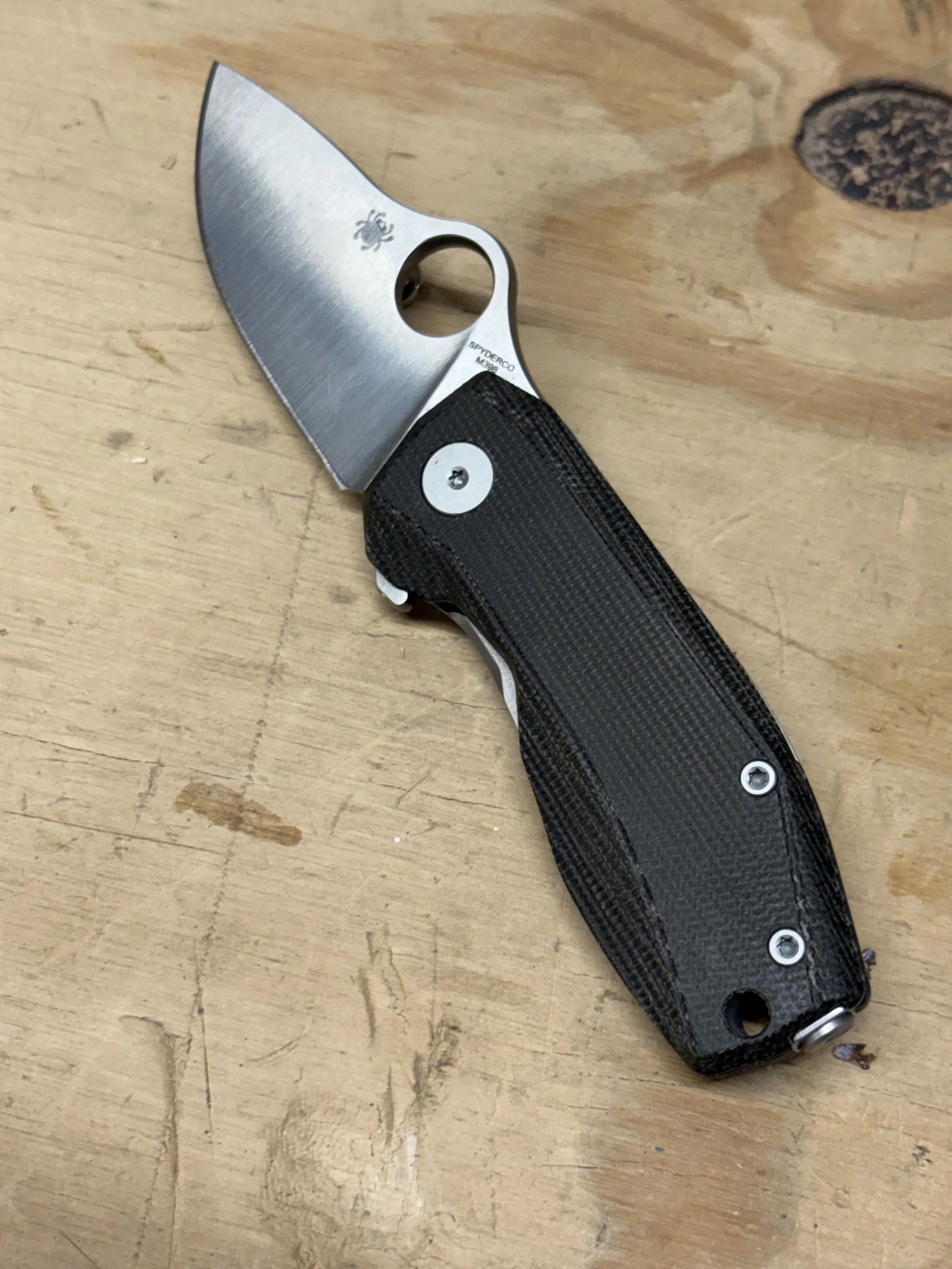
Oiling tends to accelerate the process of wear. It also ensures that the darkening is even and consistent across the knife. It smoothes out the handle as well without impacting grip much, if at all. The overall visual effect of oiling micarta can be dramatic, especially if the substrate color is dark. Black, green, and gray all really pop, becoming deep rich versions of themselves. Tan micarta undergoes a pretty dramatic change as well. Here is my new Spynano before oiling:
And after oiling:
How
I generally oil my micarta-handled knives immediately after I get them, unless the micarta comes pre-oiled. Most of the time, I run it through two or three oilings. Because the material is so porous, you do not need a great deal of oil, so a few dabs on blue shop paper towels or kitchen paper towels is plenty. I use one towel to rub the oil in, then I let it sit for 5 or 10 minutes, and use another to wipe away the excess. I have a third that I wrap the knife in after that, carrying both the knife and the paper towel it is wrapped in in my pocket for a few hours. I do this to both pull excess oil out of the micarta and to make sure I don’t stain my pants. After that, I do the whole process again. The oiling and wiping down the handles only takes a minute, but the drying and saturation takes a few hours. Once the entire cycle is finished and the knife is bone dry to the touch, I generally do another round. The next day, I often hit the knife one more time.
With What
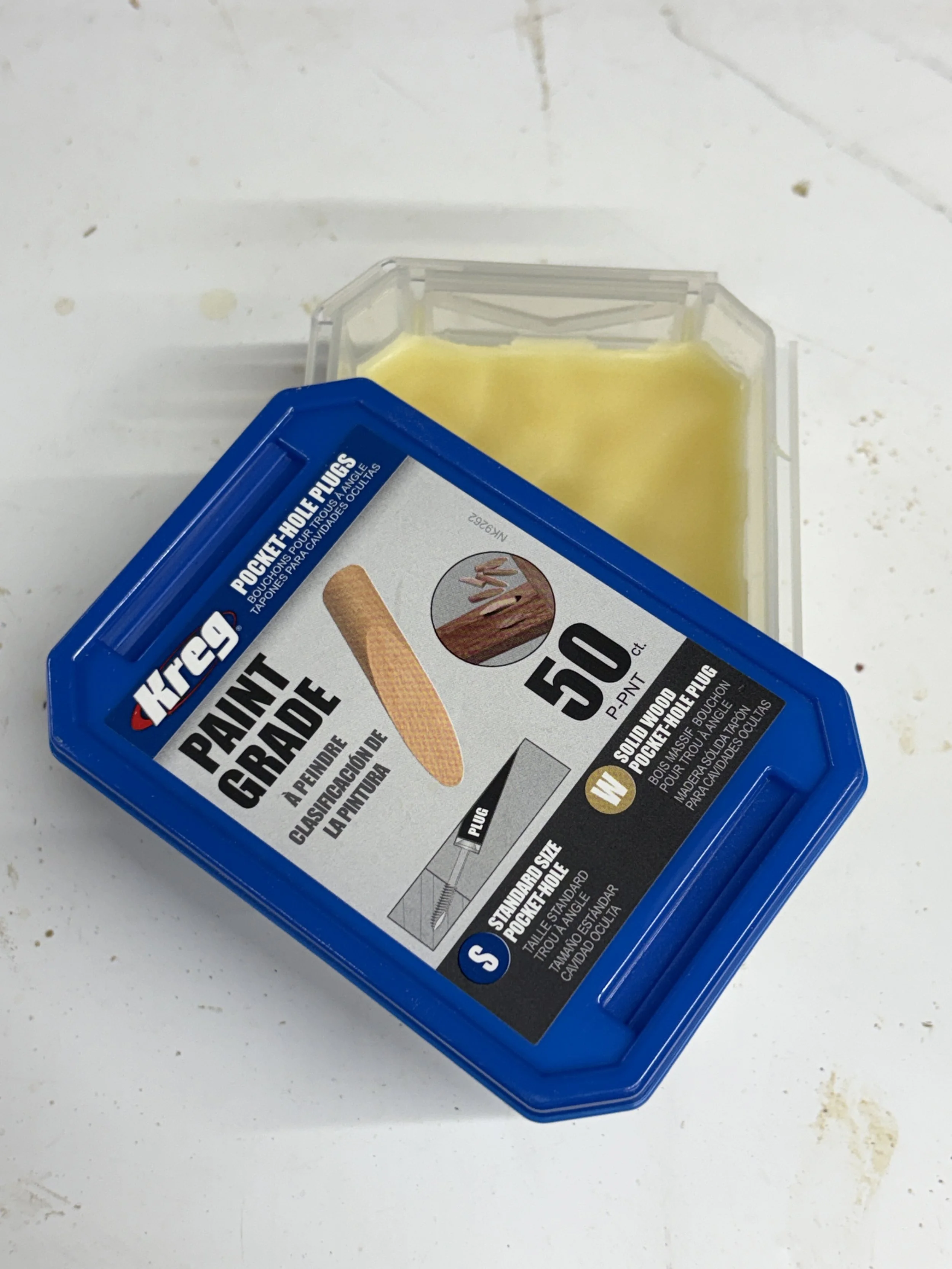
I use different substances to oil folder and fixed blade handles. For folders I use pure mineral oil. Unlike vegetable based oils, mineral oil can’t go rancid and has absolutely no smell. For fixed blades I use a mix of beeswax and mineral oil. The beeswax adds just the slightest bit of tackiness to the handle, something that is great on a fixed blade but terrible on an object that has to slide in and out of your pocket. I make my own mix, using a pot on the stove. It consists of 3 parts mineral oil with 1 part beeswax. Once the beewax is melted completely into the mineral oil, I pour it into a container and let it cool. When fully cooled it should have the consistency of a bar of wet soap and about half as hard a paste wax. I have a few different batches made and I use the mix on all sorts of stuff—cutting boards, leather goods like baseball gloves and sheathes, and micarta handles on fixed blades. It is simple to make and stores well in small containers (I used empty screw containers or shaving soap containers after I wash them out). Here is a container of my most recent oil/beeswax mix:
Micarta is definitely one of my favorite, if not my single favorite, handle materials on a knife. The process of oiling it makes it smoother and nicer to look at without compromising its grip. And, I think that truly appreciating your stuff, you have to make it your own. Oiling the handles is an easy way to do that. Plus, if you are dude like me, you probably need a bit of moisturizer. Especially right now in the winter time.
Amazon
Just in case, the SpyNano sells out, here is the Lionsteel brother: Lionsteel NA01
And here is one more oiled micarta knife that I couldn’t figure out how to fit into the article but I am including it because it looks gorgeous.